

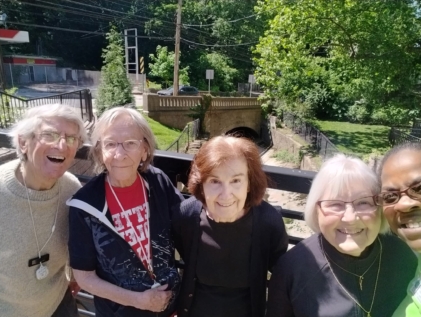
Maintaining social independence is a key component of healthy aging, directly influencing a senior’s overall wellbeing, mental health, and quality of life. Studies consistently show that strong social connections among older adults reduce feelings of isolation, lower the risk of cognitive decline, and improve longevity. Socially engaged seniors are also more likely to remain active in managing their daily routines and healthcare decisions, reinforcing the importance of environments that prioritize autonomy alongside connection.
Senior living communities play a vital role in this dynamic, offering more than just residential care, they create purposeful ecosystems where older adults can thrive. Here are six impactful ways communities help foster social independence:
1. Personalized Schedules and Choice
Senior living communities empower residents to build their own day-to-day experiences, offering an array of educational programs, cultural events, fitness classes, and entertainment options. This freedom of choice fosters a strong sense of autonomy and self-determination – critical components of psychological wellbeing. The ability to design one’s routine not only boosts morale but reinforces personal identity and a continued sense of purpose.
2. Dynamic Social and Recreational Activities
Vibrant community calendars packed with group fitness, creative workshops, game nights, and excursions facilitate both social connection and personal enrichment. These activities are tailored to support various interests and physical capabilities, ensuring inclusive participation. Engaging in shared activities creates common ground for friendships to form, promoting emotional resilience and a stronger sense of belonging.
3. Purposeful Shared Spaces
Modern senior living environments feature open, accessible communal areas such as bistros, lounges, libraries, and wellness centers that encourage organic interaction. These spaces are intentionally designed to reduce barriers to engagement, allowing residents to connect casually and comfortably. The flexibility of these areas ensures that interaction happens on the resident’s terms – when, how, and with whom they choose.
4. Flexible Services That Support Autonomy
Services like scheduled transportation, concierge assistance, and customizable dining plans empower residents to remain independent in their routines. Whether attending off-site appointments, running errands, or enjoying meals on their own schedule, seniors maintain control over their day-to-day decisions. These conveniences extend freedom, rather than replacing it.
5. Inclusive Community Culture
A thriving senior community is grounded in a culture of inclusivity and mutual respect. Programs and staff training that celebrate diversity – across cultures, backgrounds, identities, and beliefs – ensure all residents feel seen, safe, and valued. This fosters an environment where authentic relationships can flourish, strengthening emotional wellness and reducing social barriers.
6. Supportive Yet Non-Intrusive Assistance
Professional staff provide 24/7 support when needed, offering peace of mind without undermining a resident’s desire for independence. This balance is vital – the assurance of assistance allows residents to participate confidently in community life, knowing help is available but not imposed.
By prioritizing autonomy, engagement, inclusivity, and adaptable support, senior living communities can serve as catalysts for a more independent and connected aging experience. These environments don’t just meet needs, they help residents rediscover purpose, build lasting relationships, and live life on their own terms.