

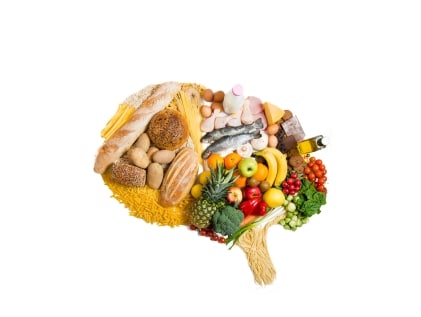
What if the secret to a sharper mind was sitting right on your plate?
More and more research shows that food does far more than just fuel the body — it also plays an important role in supporting brain health, especially as we age. In fact, decades of research suggests that certain foods may help protect memory, improve focus, and support long-term cognitive function.
The Science Behind the Plate
So, what does a brain-healthy plate actually look like?
According to Harvard Health, some of the best foods for brain health are the same ones that protect the heart and blood vessels, including leafy greens, fatty fish, berries, and walnuts. Leafy greens such as kale and spinach are packed with brain-friendly nutrients, fatty fish provides omega-3 fatty acids linked to lower levels of a protein associated with cognitive decline. Berries are rich in antioxidants that may help protect brain cells from damage, and even a daily handful of walnuts has been associated with better cognitive test scores.
Beyond individual foods, researchers say overall eating patterns matter even more for long-term brain health. One of the most studied approaches is the MIND diet — a combination of the Mediterranean and DASH diets — which emphasizes vegetables, berries, whole grains, and healthy fats while limiting processed foods and red meat.
Small Changes, Real Impact
The encouraging news? Eating for brain health doesn’t require a complete diet overhaul. A few simple habits can make a meaningful difference:
- Add color. Berries, leafy greens, and colorful vegetables are rich in antioxidants that help protect brain cells.
- Choose healthy fats. Olive oil, nuts, and fatty fish support brain cell communication and help reduce inflammation.
- Stay hydrated. Even mild dehydration can affect concentration and mental sharpness.
- Rethink the plate, not the whole diet. Replace processed snacks with whole foods whenever you can — even a few simple swaps each week can make a difference.
Food as a Daily Wellness Tool
Cognitive wellness isn’t just about puzzles and brain games — though they can certainly help. It’s also shaped by the everyday choices we make at the table. When meals are seen as an opportunity to nourish the brain, not just the body, the entire approach to eating shifts.
So, the next time you’re enjoying salmon with friends, adding more leafy greens to your plate, or reaching for a handful of walnuts instead of chips, remember that these small choices can add up over time. And, every meal is an opportunity to support memory, focus, and long-term brain health — one bite at a time.