

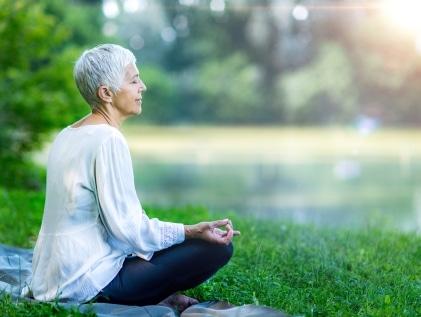
Purposeful wellness is more than just a trend — it’s a mindset that helps older adults stay energized, connected, and confident as they navigate life’s later chapters. At its core, purposeful wellness blends physical, emotional, social, and cognitive wellbeing with a sense of meaning. When seniors feel that their days and actions matter, everything from mobility to mood tends to improve.
A growing body of research highlights just how impactful purpose can be to overall health. Studies show that older adults who engage in meaningful activities experience better physical and psychological outcomes, including improved mobility, stronger emotional wellbeing, and greater life satisfaction. One study found that seniors who participate in purposeful activities enjoy significantly better overall health, reinforcing the idea that meaning is a key ingredient to aging well.
Purpose also influences longevity. Research published in Psychology Today states that individuals with a strong sense of purpose have a 46% reduced risk of mortality, are less likely to become inactive, and may even protect cognitive function as they age. These findings reinforce how deeply purpose is intertwined with both physical and mental vitality.
In senior living communities, purposeful wellness is often woven into daily life. Programs that encourage learning, creativity, social connection, and personal growth help residents stay engaged and motivated. Whether it’s joining a book club, volunteering within the community, tending a garden, or participating in a wellness class, these activities offer more than entertainment — they provide structure, connection, and a sense of accomplishment. Many older adults report that having something meaningful to look forward to each day helps them maintain a positive outlook and navigate life transitions with greater resilience.
And purpose doesn’t have to be grand or complicated. It can be found in small, everyday moments: sharing stories with neighbors, setting personal goals, or exploring new hobbies. What matters most is that the activity feels meaningful to the individual. Because when seniors feel that their days have purpose, they’re more likely to stay active, socially connected, and mentally engaged — all essential components of healthy aging.