

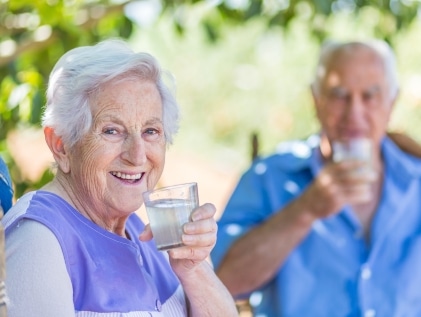
August has a way of really turning up the heat just when summer starts to feel routine — and that’s exactly when it’s worth pausing to think about how rising temperatures affect older adults differently. Why does it seem like this time of year hits seniors harder than everyone else? The answer lies in how the body’s cooling system changes with age. And understanding it is the first step toward a safer, more enjoyable season.
Did you know as people age, the body becomes less efficient at regulating temperature and retaining fluids. Sweating slows down, blood vessels don’t dilate as readily, and — perhaps most surprising — the sensation of thirst becomes less reliable. That means an older adult can already be dehydrated well before they feel the urge to reach for a glass of water. Common medications, including certain blood pressure drugs, diuretics, and antidepressants, can compound the problem by reducing sweating or increasing urination.
The stakes are high, and they’re easy to underestimate. A day that feels merely uncomfortable to a younger person can quietly become dangerous for an older adult, since the same physical changes that dull thirst also make it harder for the body to bounce back once it’s under stress. Extreme heat poses serious health risks for everyone, but it’s a particular concern for older adults, according to Harvard Health, especially those managing cardiovascular conditions or kidney disease, both of which can be strained by dehydration. What starts as mild dehydration can escalate quickly, which is exactly why prevention matters more than reaction.
The good news: small daily habits can go a long way toward keeping heat risks in check—without requiring a complete overhaul of summer plans. For example:
Watch the clock, not just the thermometer. Encourage fluids throughout the day rather than waiting for thirst — water, herbal tea, and water-dense foods like melon and cucumber are all great options.
Rethink the schedule. Move walks, gardening, or errands to early morning or evening, when temperatures are cooler and the sun is less intense.
Dress for the day. Lightweight, breathable, light-colored clothing and a wide-brimmed hat make a big difference outdoors.
Know the warning signs. Dizziness, confusion, dark urine, and a dry mouth can all signal dehydration. Heavy sweating combined with weakness or nausea may point to heat exhaustion, which warrants immediate attention.
Loop in a doctor or pharmacist. A quick medication review before summer heats up can flag anything that increases heat sensitivity — and how to manage it safely.
Remember, summer doesn’t have to mean sitting inside with the shades drawn. With a little planning around hydration, timing, and awareness, older adults can keep enjoying the season’s best moments — just with a bit more attention to what the body needs to stay cool.