

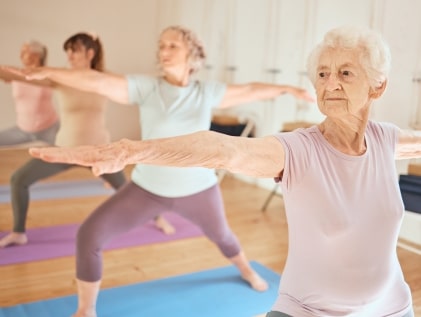
Staying active after 70 isn’t about chasing personal bests or signing up for ultramarathons; it’s about giving your body and brain regular, gentle reminders that they’re still very much in the game. Movement keeps your heart pumping efficiently, helps manage blood pressure, and can lower the risk of conditions like heart disease, stroke, and type 2 diabetes. Equally important, it supports the muscles and joints you rely on for everyday tasks, such as climbing stairs, carrying groceries, or getting up from a chair with confidence instead of caution.
The science is especially beneficial when it comes to the brain. Physical activity improves blood flow to the brain and encourages the growth and maintenance of connections between brain cells, which are crucial for memory and thinking. Research has shown that regular exercise can slow cognitive decline and even improve certain aspects of thinking in older adults, including those who already have mild memory problems. In practical terms, that means a brisk walk, a short dance session, or a few strength exercises can act as a workout for your mind as well as your body.
You may wonder how much exercise you really need to do. Health guidelines for adults over 65 recommend aiming for approximately 150 minutes of moderate activity a week — think brisk walking rather than a stroll to the refrigerator — along with strength-building exercises on at least two days per week. That could be 30 minutes a day, five days a week, but it doesn’t have to be done all at once. Ten- or fifteen-minute sessions scattered through the day count, too. Even light movement, such as gentle stretching or slow walking around your house, offers benefits compared to sitting for long periods. If you’d like to explore the evidence in more detail, the NHS has a clear overview of these recommendations.
The most important thing is finding ways to weave activity into your everyday life that feel enjoyable and sustainable. A regular walk with a friend or group turns exercise into a social occasion, which has mood-boosting benefits of its own. Light strength work using resistance bands or light weights can help keep muscles and bones strong enough to support your independence. Simple balance practices such as standing on one leg while holding onto the kitchen counter or walking heel-to-toe along the hallway can make you feel steadier on your feet and reduce the risk of falls. On quieter days, chair-based exercises or gentle stretching can keep stiffness at bay and maintain your range of movement without demanding too much energy.
If you’re starting something new, or living with long-term health conditions, it’s always wise to talk with a healthcare professional about what’s right for you. Once you have the green light, the real secret is to choose activities you actually enjoy. Because after 70, the best exercise isn’t the trendiest or the toughest — it’s the one that makes you feel good and keeps you coming back for more.