

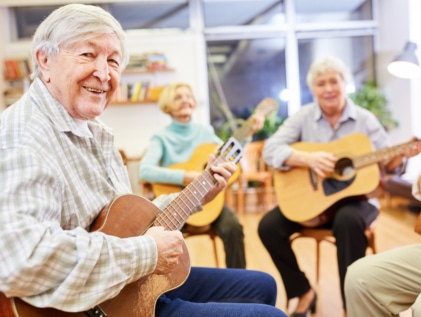
Music connects us all, regardless of age, culture, or background. It evokes emotions, sparks memories, and fosters connection. But for seniors, music is more than just enjoyment; it’s therapy. It can significantly improve their overall wellbeing and quality of life. The restorative effects of music are powerful and wide-ranging, benefiting their physical, mental, and emotional health.
One of the most significant benefits of music therapy is its ability to boost cognitive function and memory. Studies have shown that engaging with music can help increase brain function and slow cognitive decline in older adults. For those with dementia or Alzheimer’s disease, familiar songs can trigger memories and emotions, helping them reconnect with past experiences and rekindle happy moments.
Music also plays a crucial role in improving emotional health among seniors. It has the power to evoke strong positive emotions, reduce stress, and alleviate symptoms of depression and anxiety. By stimulating the release of dopamine in the brain, music can elevate mood and provide a sense of comfort and joy.
Physical health benefits are another important aspect of music therapy for seniors. Engaging with music can encourage physical activity, even if it’s as simple as tapping a foot or clapping along to a rhythm. This gentle form of exercise can help maintain or improve motor skills, coordination, and overall mobility.
Music therapy has also shown remarkable results in enhancing communication skills among seniors. It can help individuals respond to questions more effectively, make decisions, and even improve speech and language skills in those with cognitive impairments. But perhaps one of the most valuable aspects of music therapy is its ability to foster socialization and human connection. Group music activities provide opportunities for seniors to interact, share experiences, and form meaningful relationships, combating feelings of loneliness and isolation.
From cognitive enhancement and emotional well-being to physical health and social connection, music therapy offers a holistic approach to improving the lives of older adults. As research continues to unveil its benefits, music therapy is increasingly being recognized as an essential component of senior care, bringing harmony and joy to the golden years.